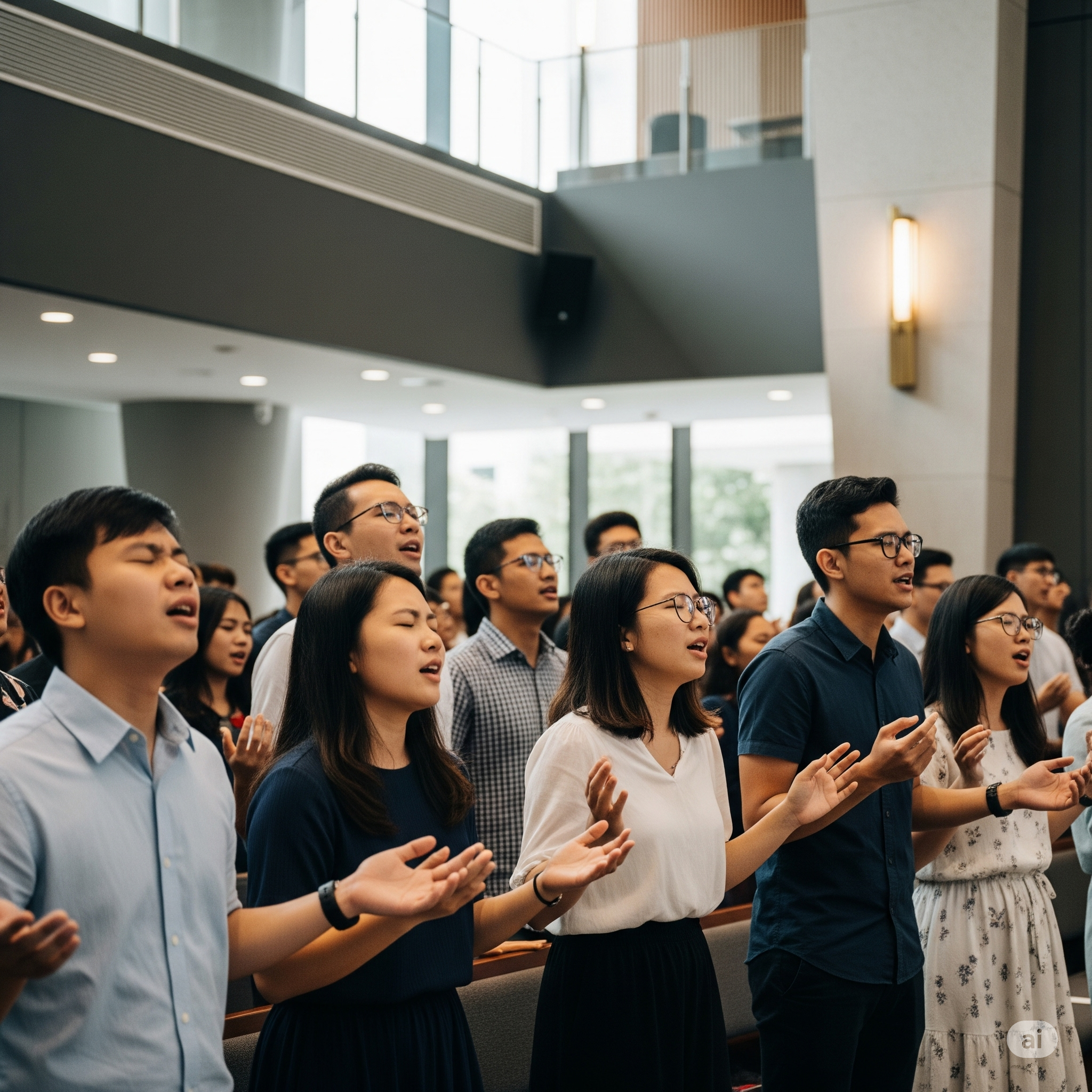


Steward your resources wisely. Here's a step-by-step guide to creating an event budget that honors God and maximizes ministry impact.
Budgeting for Impact: A Guide for Church Events
Church events are the lifeblood of community. They're where relationships are forged, where the curious become connected, and where your congregation is mobilized for ministry. From summer VBS to the annual Christmas outreach, these gatherings have the power to change lives.
But behind every impactful event is a common, often stressful, reality: the budget.
Too often, we see the budget as a restriction—a set of numbers that limits our vision. But what if we reframed it? A budget isn't a leash; it's a lens. It's a tool of stewardship that helps us focus our resources to achieve the greatest possible ministry impact.
This guide will walk you through how to create a budget that doesn't just count the costs, but makes every dollar count for the kingdom.
Step 1: Start with the "Why," Not the "What"
Before you create a single line item in a spreadsheet, you must define the event's purpose. A budget without a vision is just a list of expenses. A budget aligned with a vision is a strategic plan for ministry.
Ask your leadership team these critical questions:
- What is the primary goal? Is this event for outreach to the unchurched, discipleship for believers, building internal community, or appreciating volunteers? The goal dictates where you should generously invest and where you can be frugal.
- Who is our target audience? An event for young families will have different budgetary needs (e.g., childcare, activities) than a men's retreat or a youth conference.
- What does success look like? Beyond attendance, what is a tangible sign of success? Is it 20 first-time visitors filling out a connect card? Is it 50 people signing up for a new small group? Define your "Return on Impact" first.
Answering these questions turns your budget from a document of scarcity into a roadmap for success.
Step 2: Build Your Budget Line by Line
Once your vision is clear, you can start building the financial framework. Break your expenses down into clear categories to ensure nothing is missed.
- Venue & Logistics: This includes rental fees (if offsite), A/V equipment, lighting, insurance, permits, and security.
- Food & Hospitality: Food is a powerful tool for community. Budget for catering, snacks, coffee, water, and all the necessary paper goods and cutlery.
- Programming & Materials: What will people experience? This covers speaker fees, worship artist honorariums, curriculum workbooks, craft supplies for kids, and printed programs or flyers.
- Marketing & Promotion: How will people hear about it? Allocate funds for social media ads, printed posters, mailing campaigns, and website banners.
- People & Appreciation: Don't forget the people who make it happen. This includes stipends for childcare workers and a budget for appreciating your dedicated volunteers with a meal, t-shirt, or small gift.
- The Contingency Fund: Events rarely go exactly as planned. A pipe might burst, or a key piece of equipment might fail. Set aside 10-15% of your total budget as a contingency fund. If you don't use it, you can roll it into the next event.
Step 3: Smart Strategies to Maximize Your Impact
A limited budget forces creativity. Here are a few ways to stretch every dollar without sacrificing quality or impact.
- Leverage Your Congregation: Your church is filled with talented people. Before you hire a photographer, graphic designer, or decorator, ask if someone in your church family would be willing to use their gifts for the event.
- Seek In-Kind Donations: Approach local businesses (especially those owned by members) to see if they would donate goods or services, like desserts from a bakery or bottled water from a grocery store. This is a great way for them to support ministry and get positive exposure.
- Rethink Ticketing: Charging a nominal fee ($5-$10) for an event can dramatically increase your committed attendance rate and help offset direct costs like food. Always include a clear and easy "scholarship" option for those who cannot afford it.
- Go Digital: Save on printing and postage by using digital invitations, online registration forms, and social media for promotion.
From Spreadsheet Chaos to Streamlined Stewardship
Managing all these moving parts—expenses, ticket revenue, donations, and real-time tracking—can be a nightmare on scattered spreadsheets. When your financial data is disorganized, you can't be an effective steward.
This is where technology serves the church. A modern Church Management Software like [Our Church Management Software] brings everything into one place.
- Centralized Budgeting: Create your event budget, track expenses as they happen, and see your financial health in a single glance.
- Integrated Registration & Ticketing: As people register and pay online, the revenue is automatically tracked against your event expenses, giving you a real-time net cost.
- Simplified Reporting: After the event, run clear financial reports to see exactly where your money went. This makes reporting back to your leadership seamless and empowers you to plan even more effectively for the next event.
A budget is a spiritual document. It reflects your priorities and directs your resources. By planning with purpose and using the right tools, you can ensure that every event you host achieves its maximum potential for impact.
Ready to take control of your event finances and budget for greater impact? See how Ezervent Church Management Software can simplify the process. Get our Ultimate Event Checklist!
Get Ministry Insights Delivered
Join our newsletter for a monthly dose of practical tips, leadership articles, and product updates from Ezervent.